Where to Buy Stack
Understanding What You Are Buying
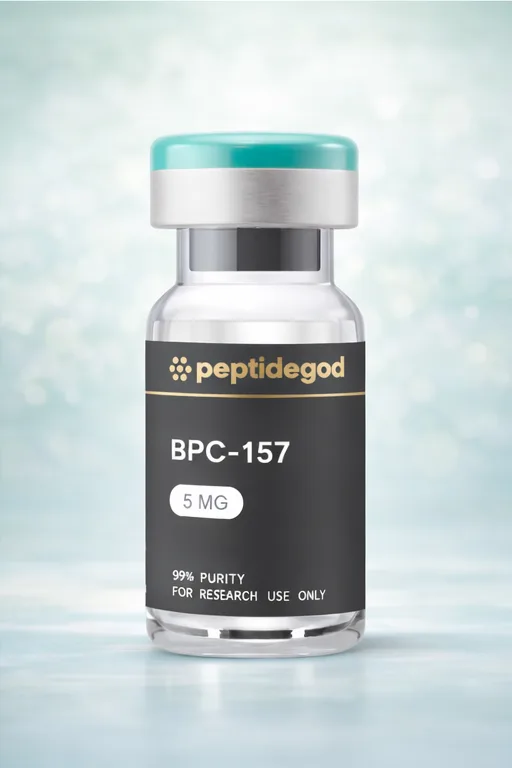
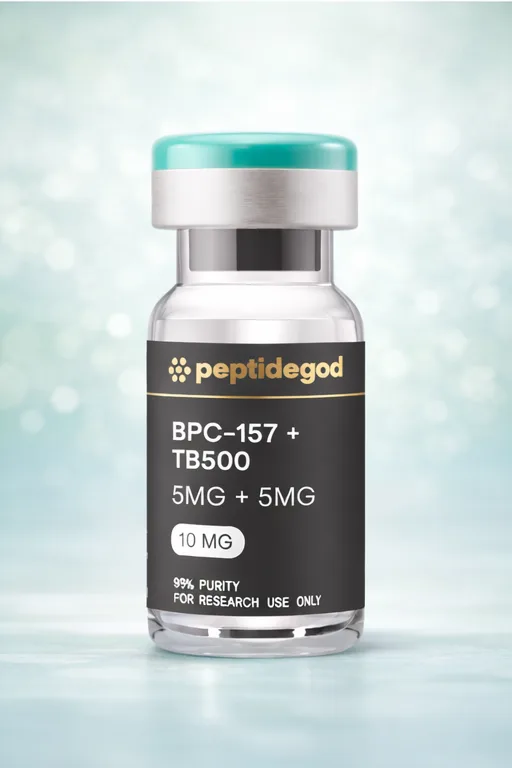
Before searching for a vendor, researchers need a clear picture of what the stack contains. The most studied combination in peptide research circles is bpc 157 tb500, a pairing of BPC-157 and TB-500 that has drawn significant interest for its overlapping roles in tissue signaling. BPC-157 is a synthetic 15-amino-acid peptide derived from a protective protein found in gastric juice, while TB-500 is a synthetic fragment of the naturally occurring protein Thymosin Beta-4. Together, they are hypothesized to influence cellular migration, angiogenesis, and inflammation pathways in ways that neither peptide appears to accomplish as efficiently alone. Knowing the composition of the product you intend to purchase is the first filter that separates credible suppliers from those selling mislabeled or under-dosed materials.
Key Criteria for Evaluating Suppliers
The research peptide market is largely unregulated, which places the burden of quality assurance entirely on the buyer. When evaluating where to buy stack products for laboratory use, three criteria stand above the rest: third-party testing, transparent sourcing, and certificate of analysis availability.
Third-Party Testing and COAs
A certificate of analysis issued by an independent laboratory is the minimum acceptable documentation for any research-grade peptide. The COA should confirm purity by HPLC, verify the correct molecular weight by mass spectrometry, and confirm the absence of bacterial endotoxins. Suppliers who publish batch-specific COAs with a scannable or clickable link to the originating lab are demonstrably more trustworthy than those who display a generic purity percentage with no supporting documentation. Ask whether the COA was produced by an in-house lab or a contracted third party, since only the latter provides an unbiased result.
Lyophilized vs. Pre-Mixed Formats
Most reputable suppliers sell the bpc 157 tb500 combination in lyophilized powder form, either as separate vials or as a pre-blended stack vial. Lyophilization removes moisture under vacuum, extending shelf life and preserving peptide integrity during shipping. Pre-mixed liquid solutions are convenient but degrade faster and are more sensitive to temperature fluctuations in transit. For serious research applications, the lyophilized format is preferred, and the vendor should provide clear reconstitution guidance along with recommended storage conditions.
Domestic vs. International Sources
Researchers in the United States, Canada, and Europe face different logistical considerations when sourcing peptides. Domestic suppliers typically offer faster shipping, lower risk of customs delays, and easier communication for order issues. However, domestic pricing tends to be higher, and the number of verified domestic manufacturers producing pharmaceutical-grade starting materials is limited. International suppliers, particularly those operating from countries with established peptide synthesis industries, may offer lower per-milligram pricing but introduce variables including customs inspection, cold-chain disruption, and longer transit windows that can affect product integrity. Whichever geography you choose, the COA requirement remains non-negotiable.
Red Flags to Avoid
Certain vendor behaviors are reliable indicators of poor quality or outright fraud in the research peptide space. Avoid any supplier that cannot produce a batch-specific COA on request, sells peptides at prices dramatically below the market average without explanation, makes therapeutic or clinical claims in product listings, or lacks a verifiable business address and customer support contact. Additionally, suppliers who ship peptides without any cold-pack or insulated packaging during warm months are signaling indifference to product stability. Community forums dedicated to peptide research often maintain running lists of vendors who have failed independent verification testing, and consulting these resources before purchasing can save both time and money.
Pricing Benchmarks and What They Signal
As of current market conditions, a quality lyophilized vial containing 5 mg of BPC-157 and 10 mg of TB-500 from a verified supplier typically falls within a predictable price range that reflects raw material cost, synthesis complexity, and testing overhead. Pricing that falls well below this range without a transparent explanation, such as a bulk-order discount or a introductory promotion, warrants skepticism. Conversely, the highest price point does not guarantee the highest purity. The presence of independent COAs is a more reliable quality signal than price alone. Researchers who plan regular procurement should consider establishing a relationship with one or two pre-vetted suppliers rather than chasing the lowest price across rotating vendors, since consistency of supply source reduces variability in experimental conditions.
- Confirm HPLC purity of 98% or higher before ordering
- Request endotoxin testing results, not just purity data
- Verify the supplier lists a physical address and responsive support channel
- Check independent community reviews specific to the batch, not just the brand
- Ensure packaging includes desiccant and appropriate cold-chain materials
Final Considerations for Research Procurement
Sourcing the bpc 157 tb500 stack responsibly is as much about process as it is about finding a single trusted vendor. Documenting each purchase with the corresponding COA, lot number, and supplier contact creates a reproducible research record and provides recourse if quality issues arise. The field of peptide research is evolving rapidly, and the vendors who invest in rigorous independent testing today are the ones most likely to remain reliable sources as regulatory scrutiny of the sector increases. Treat vendor selection as an ongoing evaluation rather than a one-time decision, and prioritize transparency at every stage of the procurement process.
 30 capsules.webp)
 60 capsules.webp)