Dosage for BPC-157 & TB-500
Understanding BPC-157 and TB-500 as Research Peptides
BPC-157 is a synthetic pentadecapeptide composed of 15 amino acids, derived from a protective protein found in gastric juice. TB-500 is a synthetic version of Thymosin Beta-4, a naturally occurring protein that plays a central role in actin regulation and cell migration. Both peptides have been investigated in preclinical research for their potential roles in tissue repair, inflammation modulation, and recovery support. When researchers discuss bpc 157 tb500 together, it is typically because the two peptides appear to operate through complementary pathways — BPC-157 influencing growth factor signaling and angiogenesis, while TB-500 promotes cellular repair and mobility at the site of injury. Understanding appropriate dosage ranges is essential for designing meaningful research protocols.
BPC-157 Dosage in Research Contexts
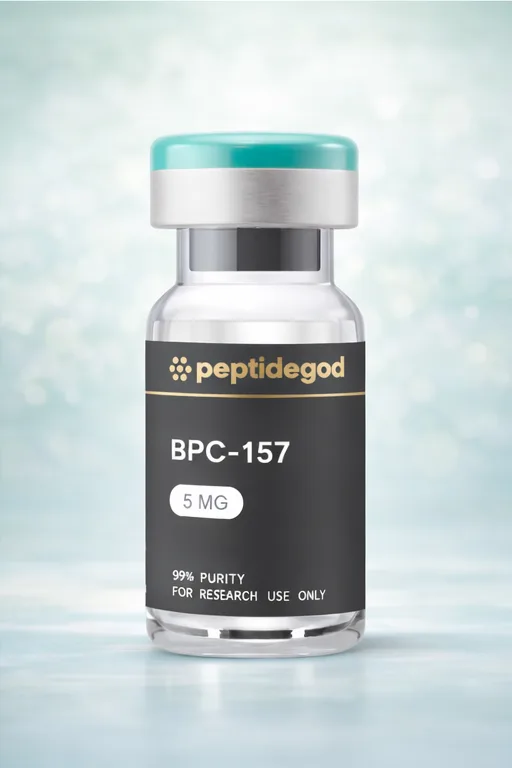
In animal model studies, BPC-157 has most commonly been administered in a range of 1 to 10 micrograms per kilogram of body weight, with many studies using approximately 2 mcg/kg as a standard reference dose. For a 70 kg subject, this translates to roughly 140 to 700 mcg per administration. Research investigating systemic effects has often used doses in the 200 to 500 mcg range per day, while studies examining localized tissue repair have administered lower amounts directly at the site of interest.
Two primary administration routes appear in the published literature: subcutaneous injection and intraperitoneal injection. Subcutaneous delivery into tissue proximate to the area being studied is a common protocol for musculoskeletal injury research. Oral administration has also been investigated, particularly for gastrointestinal applications, with some rodent studies showing activity at doses between 10 and 100 mcg/kg when delivered by gavage. Reconstitution is typically performed using bacteriostatic water, and vials are stored refrigerated at 2 to 8 degrees Celsius to maintain peptide stability.
TB-500 Dosage in Research Contexts
TB-500 research protocols differ from BPC-157 in that TB-500 is often studied on a weekly rather than daily schedule, reflecting its longer half-life and the sustained nature of its mechanism involving actin sequestration and cell motility promotion. Animal studies have employed doses ranging from 2 to 2.5 mg per week in rodent models, scaled by body weight. When extrapolating dosage considerations for higher-weight research subjects, researchers frequently reference a range of 5 to 10 mg per week during an initial loading phase of four to six weeks, followed by a reduced maintenance phase of 2 to 5 mg per week.
TB-500 is typically supplied as a lyophilized powder and reconstituted with bacteriostatic or sterile water. Subcutaneous injection is the predominant administration method observed across published studies. As with all synthetic peptides, researchers must account for purity grade, storage conditions, and reconstitution volume to ensure dose accuracy.
Combining BPC-157 and TB-500: Research Protocol Considerations
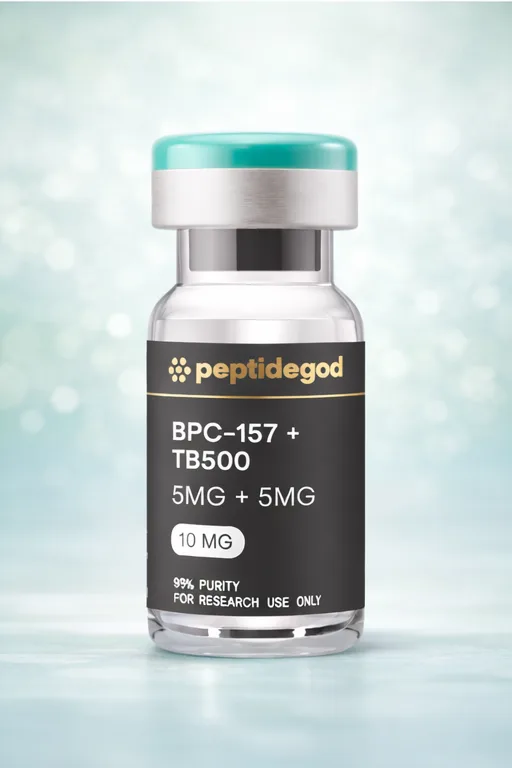
Some research protocols examine bpc 157 tb500 in combination, operating on the hypothesis that their distinct mechanisms — BPC-157 acting on growth hormone receptors and nitric oxide pathways, TB-500 acting on actin dynamics and stem cell activation — may produce additive or synergistic effects in models of soft tissue or connective tissue damage. In such designs, each peptide is typically dosed independently according to its own established range rather than reducing either dose due to co-administration.
- BPC-157: commonly 250 to 500 mcg per day, administered subcutaneously
- TB-500: commonly 5 to 10 mg per week during loading, 2 to 5 mg per week during maintenance
- Duration: loading phases typically span 4 to 6 weeks; maintenance phases vary by protocol
- Storage: both peptides should be kept lyophilized until reconstitution, then refrigerated and used within 30 days
- Administration timing: BPC-157 is often split into twice-daily injections; TB-500 is generally administered once or twice weekly
Factors That Influence Dosage Selection in Peptide Research
No universal dosage exists for either peptide, as the appropriate amount depends on the biological model, the specific endpoint being studied, the route of administration, and the peptide's purity and molecular weight. BPC-157, with a molecular weight of approximately 1419 daltons, and TB-500, with a molecular weight of approximately 5921 daltons, require different volume calculations during reconstitution to achieve equivalent molar concentrations. Researchers should also account for the fact that injectable peptide research carries systemic distribution considerations that oral or topical routes do not.
The broader research context for bpc 157 tb500 remains active, with ongoing studies examining their respective roles in tendon repair, muscle injury recovery, neurological models, and inflammatory disease. Dosage guidance will continue to evolve as more controlled data becomes available. This article is intended for informational and research purposes only and does not constitute medical advice or a recommendation for human use.
 30 capsules.webp)
 60 capsules.webp)