BPC-157 + TB-500 Stack 2026: The Most Effective Recovery Protocol
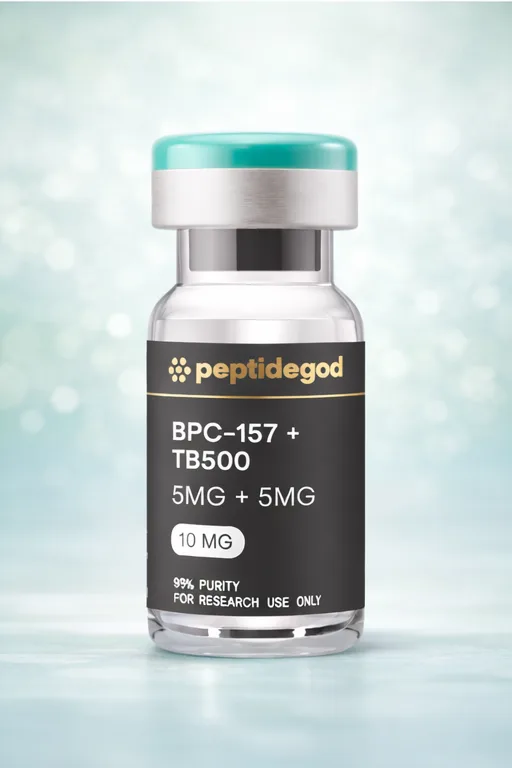
The BPC-157 and TB-500 combination is the most popular peptide stack in recovery and sports medicine communities. This site provides the complete, practical protocol—why they work together, how to dose, and what to expect.
Major effect categories reported across the BPC-157 literature.
Tendon & joint repair
Strongest evidence in connective-tissue healing models.
Gut lining integrity
Originally derived from gastric juice — strong GI mucosa effects.
Soft-tissue recovery
Studied in crushed-muscle and traumatic ligament-injury rat models.
Neuroprotective signals
Reported CNS-protective effects in ischemia models.
Favorable safety profile
No serious adverse events at common research doses in animal data.
Research-grade only
Not approved for human consumption. Sold for in-vitro use.
Top sources for 2026
Vendors that publish per-batch COA and ship globally.
Best Seller
Bpc157tb500
BPC-157 Capsules (500mcg)
(50)
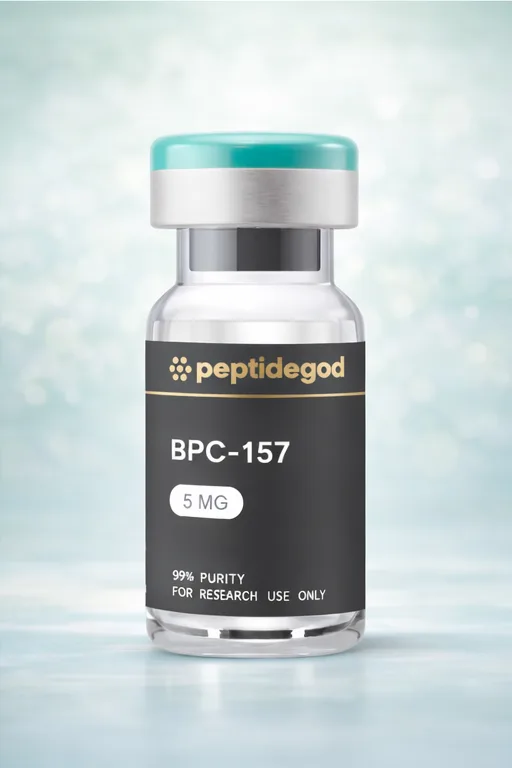
BPC-157 Capsules carry the legacy of one of the most remarkable discoveries in peptide science. Originally identified in the human stomach, the Body Protection Compound was evolved by nature specifically to protect and heal. Our BPC-157 supplement harnesses this natural blueprint
As we age, the body’s ability to repair everyday wear and tear on our connective tissues begins to decline, often leading to chronic stiffness. BPC-157 Capsules offer a powerful solution for older adults who want to maintain their active lifestyle and musculoskeletal health. By b
In the world of professional bodybuilding, where heavy lifting is the norm, BPC-157 Vials are an essential tool for longevity. The massive stress placed on the elbows, knees, and lower back can often lead to micro-tears and chronic inflammation. BPC-157 works at the molecular lev
For high-performance athletes, recovery is the foundation of progress. Our BPC-157 Vials provide the competitive edge required to bounce back from intense training and heavy lifting. This lyophilized peptide powder is the gold standard for repairing micro-traumas in muscles and c
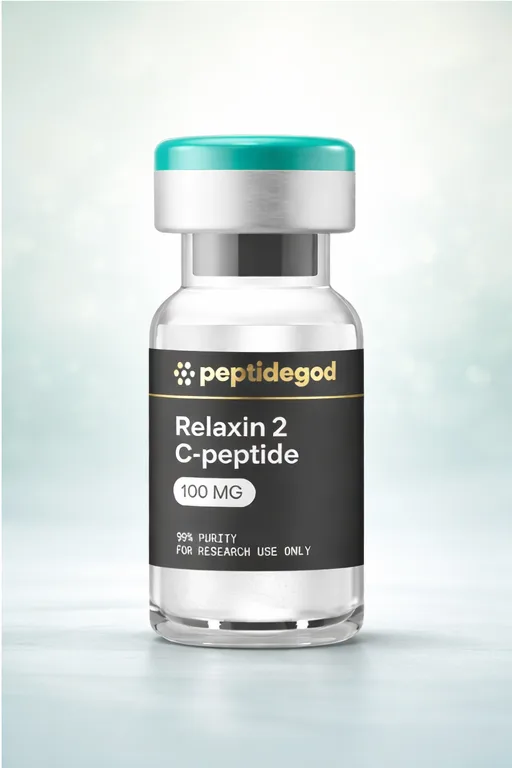
Heart Failure with Preserved Ejection Fraction (HFpEF) remains a challenge in cardiovascular research, and Relaxin 2 C-peptide (56-129) is at the forefront of this study. This peptide is used to investigate the reduction of myocardial stiffness and the improvement of diastolic fi
Relaxin 2 (Human) is a critical research tool for scientists investigating the regression of hepatic fibrosis and the management of liver cirrhosis. This peptide is studied for its ability to deactivate hepatic stellate cells, which are the primary drivers of liver scarring. By u
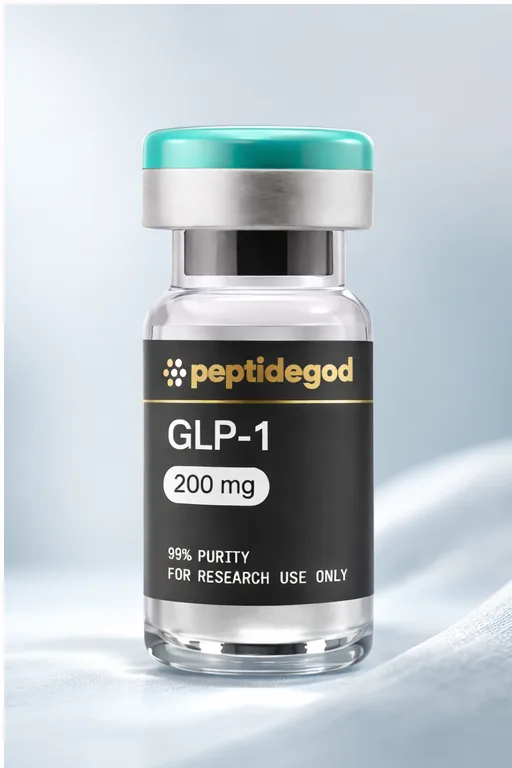
GLP-1 (Human, Rat, Mouse, Porcine, Bovine, Canine, Ovine)
(52)
In the field of longevity research, GLP-1 is gaining attention for its systemic effects on cellular health and mitochondrial function. This peptide is studied for its potential to "rejuvenate" metabolic pathways that become sluggish with age. Our lyophilized GLP-1 vials offer the
BPC-157 + TB-500 Stack: Protocol and Comparison Questions
Why is the BPC-157 + TB-500 stack considered better than either alone?
They address different bottlenecks in healing. BPC-157 rapidly recruits new blood vessels and fibroblasts to the injury site. TB-500 (via actin upregulation) improves how cells migrate over longer distances into the wound, and modulates inflammatory signaling. Animal studies show superior outcomes with combined administration compared to either peptide alone for muscle and tendon injuries.
Do I inject TB-500 at the same site as BPC-157 or somewhere else?
TB-500 is most commonly injected systemically (abdomen subcutaneous) rather than locally. Its mechanism of action is systemic—it circulates and promotes cell migration throughout the body. BPC-157 can be injected locally near the injury. You can inject both in the abdomen on the same day if you prefer simplicity; they do not need to be co-located.
How is TB-500 dosed compared to BPC-157—the amounts seem very different?
TB-500 is typically dosed in milligrams (2–5mg per injection) while BPC-157 is in micrograms (250–500mcg). TB-500 is a larger peptide (MW ~4900 Da vs 1419 Da for BPC-157) and has different receptor binding characteristics that require higher mass doses. This is normal—the dose is not a reflection of relative potency.
What is the typical timeline for the BPC-157 + TB-500 stack for a torn muscle?
Week 1–2: noticeable reduction in inflammation and improved pain-free range of motion. Week 3–4: significant strength recovery begins as structural repair progresses. Week 5–6: completion of most repair; some users continue a further 2 weeks at reduced dose. Compare to untreated torn muscle healing: 8–12 weeks for partial tears, 16+ weeks for significant tears.
Ready to pick a vendor?
Vetted list with per-batch COA and global shipping.
 30 capsules.webp)
 60 capsules.webp)