Athletic Performance Use
Overview of BPC-157 in Sports Research
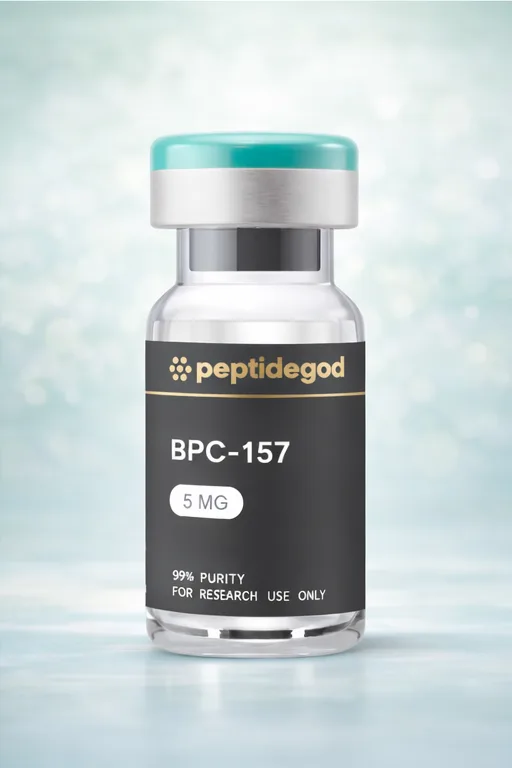
BPC-157, or Body Protection Compound-157, is a synthetic pentadecapeptide derived from a protective protein found in gastric juice. Researchers have studied it extensively for its role in tissue repair, angiogenesis, and modulation of growth factor signaling. Within the context of athletic performance research, BPC-157 has attracted attention because training consistently places musculoskeletal tissue under significant mechanical stress, creating microtraumas in tendons, ligaments, and muscle fibers that require efficient biological repair to maintain peak output. Preclinical studies suggest BPC-157 may accelerate these repair processes by upregulating several growth factors, including vascular endothelial growth factor (VEGF) and tendon-to-bone healing mediators, which is why research labs and sports science investigators have incorporated it into experimental protocols.
Tendon and Ligament Repair Research
Among the most studied applications of BPC-157 in an athletic context is its apparent influence on connective tissue healing. Tendons and ligaments are notoriously slow to recover due to their limited blood supply and low cellular turnover. In rodent models, systemic and local administration of BPC-157 demonstrated accelerated healing of transected Achilles tendons, medial collateral ligaments, and quadriceps muscle tissue. Researchers noted increased collagen synthesis, faster vascularization of the repair zone, and improved biomechanical strength of the regenerated tissue compared to controls.
These findings have led sports science researchers to investigate whether similar mechanisms could reduce the recovery timeline for overuse injuries common in endurance athletes, field sport participants, and strength athletes. While human clinical data remains limited, the mechanistic basis observed in animal studies provides a plausible framework for ongoing investigation.
Muscle Recovery and Anti-Inflammatory Pathways
Intense training sessions produce localized inflammation that, when chronic or excessive, can impair rather than enhance adaptation. BPC-157 appears to interact with several inflammatory mediators, including nitric oxide synthase pathways and prostaglandin activity, suggesting a modulatory rather than suppressive role in the inflammatory cascade. This distinction is important from a research perspective: suppressing inflammation entirely can blunt adaptive signaling, while modulating its duration and intensity may preserve the anabolic stimulus while reducing tissue damage accumulation.
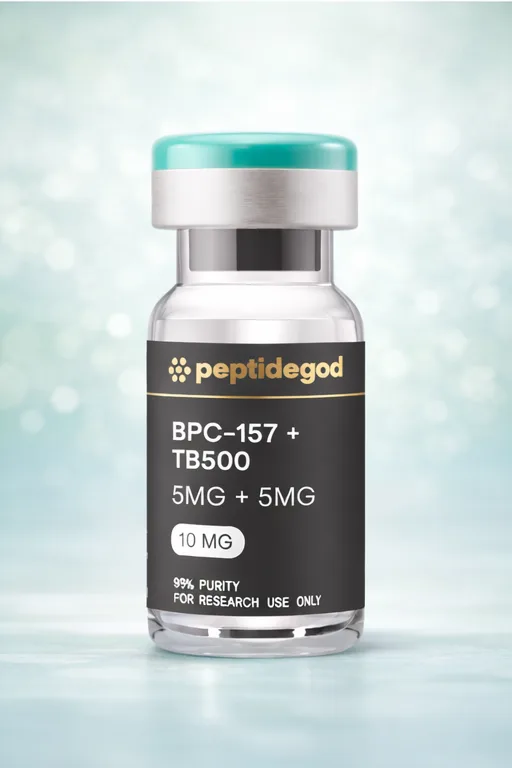
Research pairing bpc 157 tb500 has become a common experimental design because TB-500, a synthetic fragment of Thymosin Beta-4, targets actin upregulation and also promotes tissue remodeling. Together, the two peptides are hypothesized to address overlapping but distinct aspects of the repair process, making the combination a subject of growing interest in peptide pharmacology literature.
Joint Health and Cartilage Studies
Chondroprotective Observations
Cartilage degradation is a significant concern for high-impact athletes, particularly in disciplines involving repetitive joint loading. Early animal studies observed that BPC-157 administration appeared to reduce cartilage lesion progression in models of induced joint damage. Researchers speculate this may relate to its influence on the expression of growth factors involved in chondrocyte maintenance, though the signaling cascade is not yet fully characterized.
Bone Healing Context
A subset of athletic injuries involves stress fractures and periosteal trauma. Preclinical models have observed that BPC-157 may enhance bone healing rates by stimulating the activity of osteoblasts and supporting the early vascular scaffold necessary for callus formation. These results, while promising, are derived primarily from controlled animal environments and have not yet been replicated in controlled human trials at scale.
Key Areas Under Active Investigation
Current research programs studying BPC-157 in relation to athletic applications focus on several distinct mechanisms:
- Growth hormone receptor sensitization and interaction with the GH-IGF-1 axis in muscle tissue
- Neuroprotective properties relevant to athletes with concussive or repetitive subconcussive exposures
- Gut-barrier integrity, which influences systemic inflammation and nutrient absorption during high training volumes
- Synergistic dosing protocols when bpc 157 tb500 are studied together in connective tissue repair models
- Stability and bioavailability across different administration routes, including subcutaneous, intramuscular, and oral delivery
Research Limitations and Responsible Context
Despite the volume of preclinical data, human pharmacokinetic studies on BPC-157 remain sparse, and no regulatory body has approved it as a therapeutic agent for any condition as of the current date. Most data originates from rodent models, where dose-response curves, tissue distribution, and long-term safety profiles differ substantially from human physiology. Researchers interested in bpc 157 tb500 applications in athletic contexts should consult peer-reviewed literature carefully and recognize that extrapolating animal data to human outcomes requires significant caution.
This article is intended solely for informational and research purposes and does not constitute medical advice. BPC-157 is available as a research compound and is not approved for human therapeutic use. Anyone considering its use should consult a qualified medical professional.
 30 capsules.webp)
 60 capsules.webp)